The Bioinformatics CRO Podcast
Episode 56 with Tony Altar
On The Bioinformatics CRO Podcast, we sit down with scientists to discuss interesting topics across biomedical research and to explore what made them who they are today.
You can listen on Spotify, Apple Podcasts, Amazon, and Pandora.
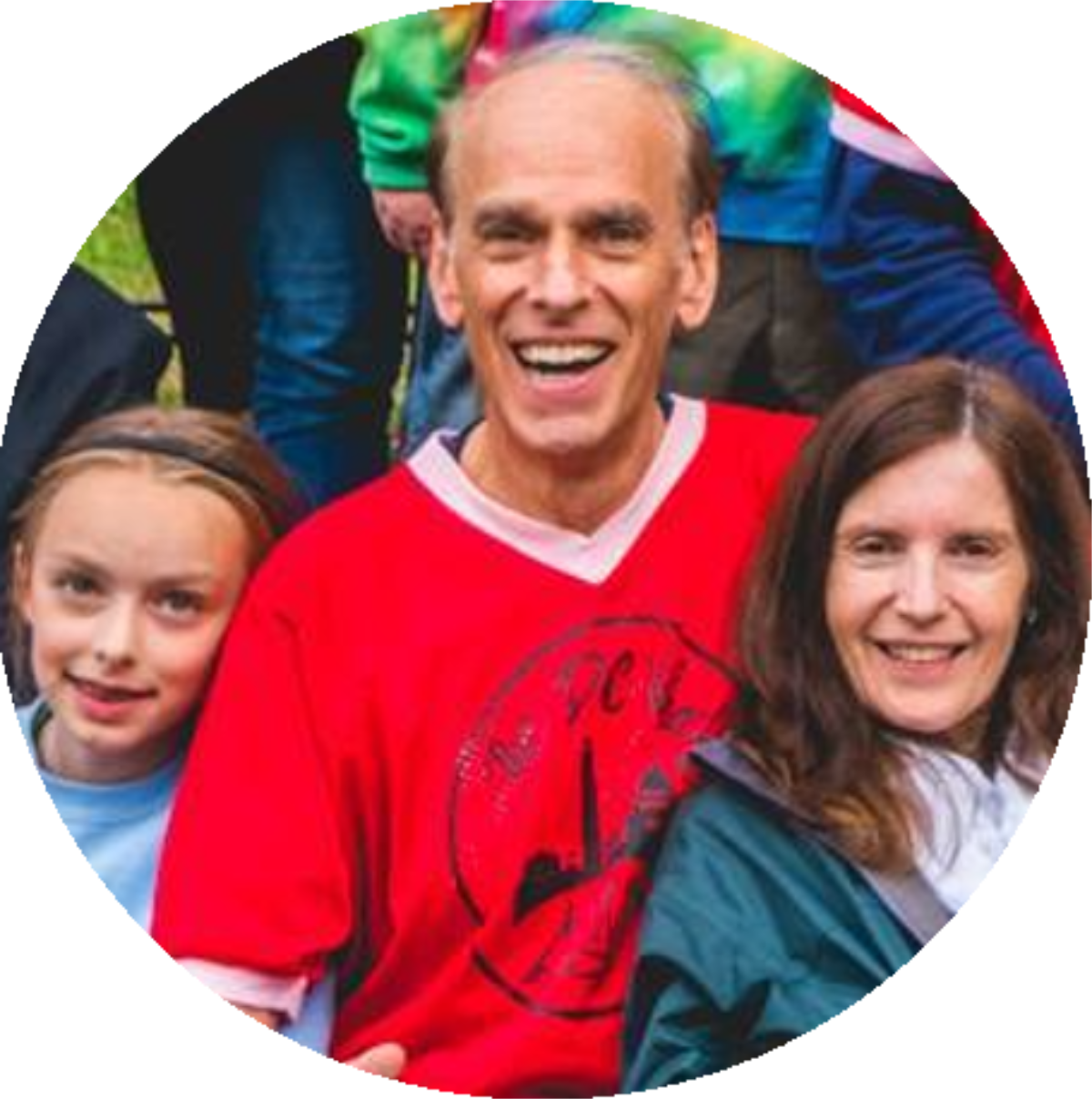
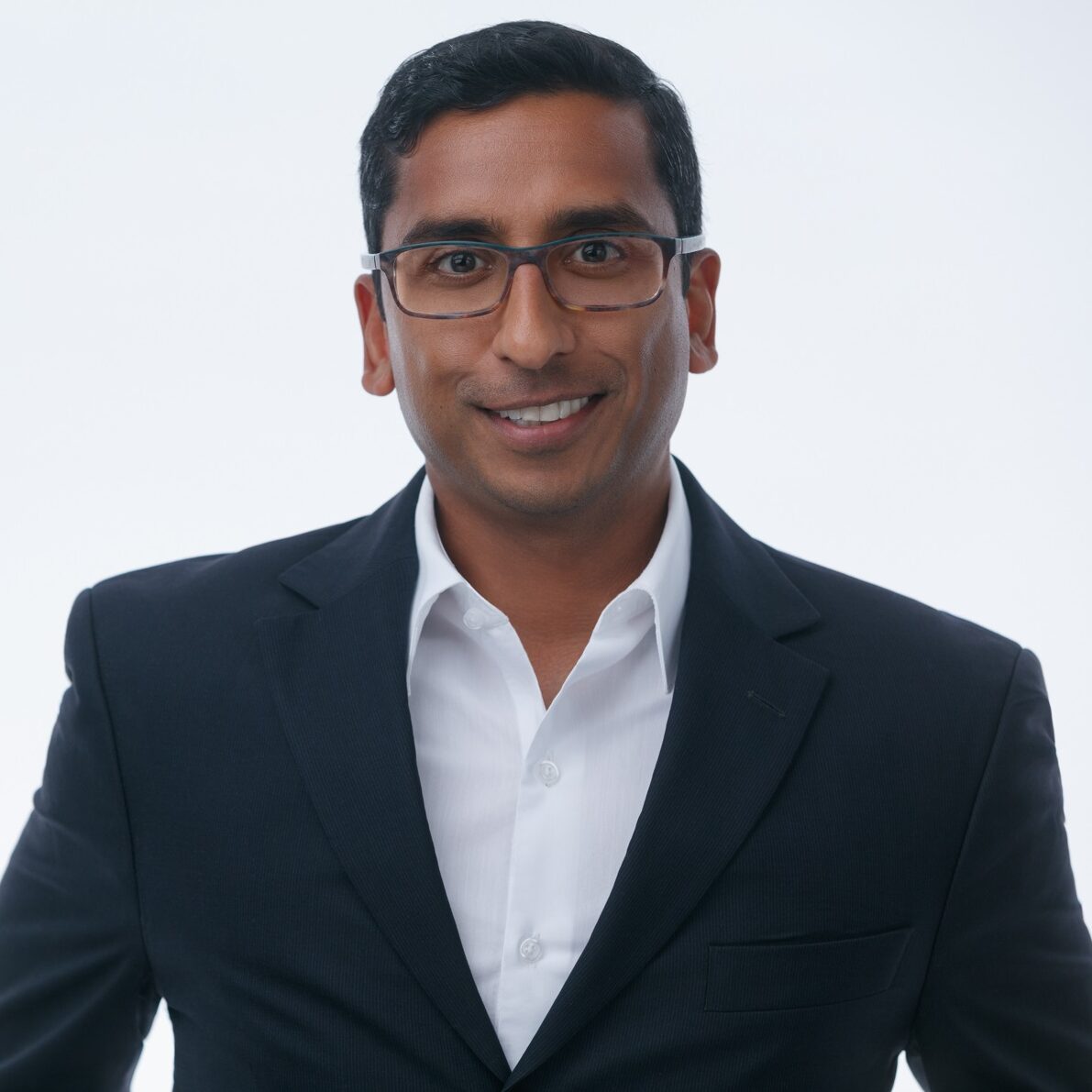
C. Anthony Altar, PhD is the President and COO of Splice Therapeutics, which designs and delivers RNA trans-splicing molecules to correct disease-causing mutations.
Transcript of Episode 56: Tony Altar
Disclaimer: Transcripts are automated and may contain some errors.
Grant Belgard: Hello, and welcome to The Bioinformatics CRO Podcast. I’m your host, Grant Belgard, and joining me today for the second time is Tony Altar. Tony is a legend in the field of neuroscience and drug discovery research, and the president and COO of Splice Therapeutics, and a rad skateboarder. Tony, thank you for joining us today.
Tony Altar: Hello, Grant. I’m glad to be here. Well, I really want to thank you for asking me to come back to the Bioinformatics CRO podcast. I’m glad that my neuroscience research and the other experiences in drug discovery have helped some of your listeners navigate their own careers. I think that was the nicest feedback I got. And so I plan to continue that theme today, a little bit more with a personal perspective.
Grant Belgard: Can you discuss some of your personal career history and any advice for people as they progress in their careers for young scientists today?
Tony Altar: Yeah, I’d be happy to. And the reason is, I think, you know, we’re all presented with many career choices during a long, and these are the most consequential decisions that we’ll ever make, not just for ourselves, but our families and for whatever our passion leads us. So I’d like to share some of those experiences. My first career step was in high school, and I was very lucky back in 1969, which was a great year for other reasons. I was 17, and I found myself in a neurobiochemistry lab at the Los Angeles Veterans Administration Hospital. It was a great setting, very cool. There are eight PhDs in this lab. Some were faculty at UCLA, and there were also a really talented team of bench scientists. They were all working on the chemistry of the brain. So as a 17-year-old interested already in psychology and things like the brain, this was kind of a great chance for me.
Tony Altar: The lab itself was pretty unusual. It was on the Veterans Administration Hospital campus, and it was basically one of the first neurobiochemistry labs ever. It had four trailers that were kind of stitched together. One of them had the vivarium where the rats and mice were kept, and those odors permeated the other three trailers, which had – one had benches for surgeries. Another had the equipment, and then the fourth trailer had – So that’s where the bioinformaticians would be, but maybe not in 1969. No, our bioinformatics was basically done on paper. And in that lab, I learned about serotonin, how to do rodent brain surgery, and how to get rats to self-inject heroin, which, surprisingly, many learned to do overnight. It was a valuable experience, but even more valuable, I think, was some of the advice I got from these people in the lab, the daily interactions, person-to-person contact.
Tony Altar: You know, these were focused and passionate scientists doing pioneering neurobiochemistry research. There was a guy, Dr. Lenart Wedderberg, who was from Sweden. He was there, and we marveled at what he had done. He’d done serotonin immunofluorescence, and we marveled at these greenish, yellow, glowing gut pieces from rodents that were pinned up on a wooden board. And that was serotonin, visibly. And ever since then, I’ve thought of serotonin as yellow. I guess that’s why. And our lab chief was Dr. Art Eweiler, and he had a mantra, which I loved, and that was to think good thoughts. Art’s brilliance and his dedication really spilled over to everyone in the lab. The fact that Art thought good thoughts, many probably thought well of us, and he did. This helped define a collaborative lab culture, which helped me to do well there.
Tony Altar: So my first piece of advice from that experience, and really from most of the others, good and bad, is find an inspirational, honest, and successful person to work with, and think good thoughts. Years later, Dr. Eweiler drove up to Santa Barbara to be on my Ph.D. dissertation committee at UCSB. That was a dream come true. It was my first met Art. I didn’t even understand most of what he said, but by now I’d finished my Ph.D. He was there at my final oral exam, but the committee didn’t even let me get past slide 12 of what was a pretty full carousel full of slides. So when I learned that I actually passed the oral exam, but also received the first psychology department honors ever awarded for a Ph.D. at UC Santa Barbara, that was really something.
Grant Belgard: Nice. And yeah, I think your point about finding inspirational, honest, successful leaders as mentors early in your career is really key. I mean, it’s the same advice that I would usually give to undergraduates and master’s students searching for a Ph.D. lab. And likewise with a postdoc lab, right? There’s often a big focus on learning the right techniques and methods and things like this. And that is important, but sometimes the kind of quality of the mentor gets short shrift, in part because it’s a lot harder to assess than just looking at someone’s website, looking at their publications and seeing what they’re working on. You know, you really need to get in and talk to people in their lab, talk to their colleagues, you know, really get to know their reputation. You know, it’s important.
Tony Altar: Very important. In fact, being shy can be a detriment. I mean, a lot of us have shy components to our personality, but I think you have to be outgoing and really reach out to people. If you don’t put it out there, it’s never going to happen. And so, yeah, being in the right environment, not just the person or the people in the lab, but the institution as well is really important. And that makes me think about my next career move that happened after my high school, and that was going to college. And, you know, we were living in Los Angeles, so I ended up going to UCLA, which is a terrific school. But I think for many freshmen, it’s more of like a full frontal assault. The classes were personal, large, and there was what I thought of as a tsunami of very intense competition. And so I didn’t do well, you know, taking chemistry, physics, and lots of very challenging early classes.
Tony Altar: I didn’t do well. So I never forget the day that through tears, I called my parents from campus and told them I really didn’t think I could continue.
Grant Belgard: Well, I think that’s really important for people to hear, too, because it’s such a common story. You know, when you talk to really successful scientists that, you know, at some point in their education, they had a hiccup, right? I mean, they had a really rough time. And, you know, they persevered through it and, you know, did amazing things on the other side, but it can be really discouraging. And for a lot of people, they’ll go and change major and never look back.
Tony Altar: Yeah. I mean, the hiccups continue. I mean, UCLA wasn’t my only tough place to persevere. I mean, look, in career, in academia, industry, even government, you know, you’re always going to have difficult people, difficult situations. And perseverance is the key. That’s what it’s all about. And if you love what you’re doing, you will be able to persevere. So I did love the lab work. I mean, I had experienced that already in high school. And so I knew that that’s something I probably wanted to do, but I had to take a break. So instead of dropping out of UCLA, I just enrolled in very different classes, smaller classes, too, in philosophy, economics, perception science and psychology. And interestingly, through all of these, you know, I sought out the teachers. I developed relationships with them.
Tony Altar: I went to their office hours, which is a terrific resource that students really should take advantage of. From these relationships and also by volunteering in some psychology labs, I realized that my passion lay in psychobiology. And that was a very new field at the time. To this day, I’m still fascinated by the structure, the function of our brain and how that guides, well, pretty much everything. So I was lucky. I think also by volunteering to work in some of these psychology labs, I really got a feel that, yes, I do like being in the lab and I like doing this kind of work. So three years later, I graduated UCLA with departmental honors in psychobiology. That was the first year that program had ever been offered at UCLA. I ended up teaching my own study sections. I had two different offices on campus. What a turnaround after nearly dropping out of college.
Tony Altar: So I think part of it was luck. The field of neuroscience was growing rapidly at that time. And another career tip then is see where things are heading. You know, and if you love biology as a general field, where is it heading in terms of technologies, therapeutic indications, important new fields? See where things are heading. If that excites you and if you have talents in that area, and I really do want to stress, you really need to feel that you’ve got some particular talents and drive. You know, find one of the first trains that’s leaving the station and hop on board. You know, go for it. So for me, the future of neuroscience, well, continues to be using these technologies that are new. One of them right now is gene profiling, genetic analysis, and using what we learn about the biology of genetics to guide pharmaceutical target selection.
Tony Altar: And also using gene therapies to treat disease. I think that’s going to be particularly, and has already shown particular promise in treating neurological disease. So just to complete the training portion of what I want to talk about, I was accepted to the Ph.D. program at UC Santa Barbara. And before classes started that summer, I got excited and I drove up from Los Angeles to UC Santa Barbara. And on a Saturday, I went to the psychology building. And I was kind of surprised that the building was locked and there wasn’t anybody there. So I had an interview a couple of weeks later with a potential faculty sponsor. And I mentioned that. I said, you know, I came up a few weeks ago. Nobody was here. I wasn’t sure what was going on. He heard that and offered me a job in his lab on the spot. I guess he realized I had this little intense work ethic. And I think that’s important.
Tony Altar: You know, you want to genuinely show your passion for it. Yeah, you got to work hard in science.
Grant Belgard: So on our last podcast, you said you thought young scientists were too reliant on pulling information from the Internet. Four years later, with, you know, everything going on with AI retrieval and so on. What are your thoughts on that?
Tony Altar: Well, it’s interesting. You know, in the intervening time, I think more bad information has appeared. There’s a lot of great information, too. But at the same time, more tools have been developed to ferret out the bad information and reveal the fraud that unfortunately has become more apparent. I don’t mean to say it’s necessarily more prevalent, but we’re detecting it, which is probably a good thing. So, you know, we receive a lot of information now from the Internet, even more than we did four years ago. So many scientists now work remotely, not so much the bench scientists, I hope, but many of scientists, scientific work is done remotely. So we get our information not from each other or from maybe as many trusted sources, but now more online, which includes misinformation and also importantly, an overreporting of biased or more extreme outcomes, more representation.
Tony Altar: And I think this is true for all of us, not just for scientists. I mean, we all feel this. We’re bombarded by too much information and it takes on a disproportionate perspective in our lives. And if that happens in our scientific way of thinking, that can be a disaster. So my advice is, you know, get as much of your information firsthand from colleagues and even better from the lab, from simple, well-controlled experiments. You know, there’s been a hangover from the post-COVID period. People learn to be kind of more sort of self-reliant or on their own. And so the reliance on Internet information has even increased more. I think this is contributing to a polarization of our social and also political views. I think that’s kind of an understatement. And that’s been further separating people and diminishing healthy interactions. So even for us in the lab, that’s still a problem.
Tony Altar: And relationships outside the lab are important. Yeah.
Grant Belgard: Oh, and the massive advances in generative AI, I think in a lot of ways could exacerbate that, right? Not only are they trained on only what’s online, which is a small fragment of knowledge, but it can also be used in the commission of scientific fraud, right? Like for years, there have been problems with fake Western blots and so on. And there have been some really concerning examples just showing how easy it is to show a model, you know, some real blots and then to have it make some fake ones that look real. But, you know, previously, this was very easy to discover, right? I mean, you would say, well, this lines up exactly pixel for pixel with this other one, or it’s just reversed or whatever. And now, you know, you can no longer do that. So, of course, I mean, people obviously talk about this in the context of AI image generation for, you know, outside of science.
Grant Belgard: But it could potentially make fraud, you know, easier to commit and harder to detect than it has been in the past, which could, you know, further pollute the literature and make it harder to, you know, basically waste everyone’s time and resources, right? Because you have to go and make sure that you can properly reproduce it and that, you know, kind of makes literature less trustworthy.
Tony Altar: Yeah, you have to be in a lab situation where you can go test something and see whether that was really a true finding or not. Yeah, I think the fact that we’re so visual, I mean, our visual cortex is a huge part of our brain. And so it’s not surprising that Western blots are one of the easiest things to ferret out as being fraudulent. But, you know, it makes you worry about tables and other kind of pieces of information that are just as likely to be detected or fraud, fraudulent, but not as easily detected. So, you know, I think that’s why we have to be very careful about AI, but it’s a great tool. And I think, you know, within months or a year from now, you know, talking about the misinformation by AI is less of an issue. I think it’s going to get better. For example, I recently did a study of a particular topic using chat GPT.
Tony Altar: At the end of it, the information looked kind of questionable to me. And at the end of it, I said, oh, thank you, AI, but tell me now, what are the publications that you used that you described in all this information together? And it gave out a list of references. And when I checked them, three quarters of them were actually all made up. I couldn’t find the menu on PubMed or I mean, so that’s inexcusable. So I coined a term caveat scientia, which means beware of knowledge. We’ve all heard of caveat emptor, which is buyer beware, which is true if you’re paying for AI. But even if you’re getting AI for free, caveat scientia, beware of the knowledge that you’re getting and make sure. So I think a lot of this came out of, you know, this change that we’ve come through, the Internet revolution and COVID and isolation and relying more on Internet.
Tony Altar: So my piece of advice is really reach out to others and form relationships, put down the screen, pick up the telephone, talk to people, share information at real time, one on one. There’s lots of studies that show that frequent interactions with others, even random strangers, can decrease the risk of depression. That’s a simple adjustment we can all put into practice and improve our mental health. You know, we’re now several years after the COVID lockdowns and I see people seemingly now more engaged over the last year or two, you know, getting back to the habit of striking informal conversations, small talk, you know, more frequent conversations to basically say, I think we’ll both be better if we talk to each other. And I think we are, you know, we just need to engage each other and not so much with our screens.
Tony Altar: The other area that, you know, you asked me about in terms of information, cautious about, and that is disdain for old information, which I don’t have. But I’ve heard a lot of people say, oh, just read the newest publications. In fact, I know of a leading nursing school, which is a great school, but they admonish their students to avoid publications older than five years. I mean, they actually have this criteria, nothing older than five years. Sure, I can understand they want to apply the most up-to-date practices, but look, even our current practices are based on prior discoveries. So don’t avoid old publications in the life sciences, especially if we consider the increasingly abysmal rates of replication, the increasing number of publications that are being detected, and then greater numbers of papers that are being retracted.
Tony Altar: So I’m not saying the old papers are less fraudulent, but, well, maybe they are. I mean, they’re, I think, easier to replicate, and that’s really an important thing.
Grant Belgard: Well, there are also lots of examples of something being purportedly discovered and published in a splashy journal, and, you know, some of the graybeards in the field will point out some paper from the 70s or 80s that essentially reported the same thing, but it, you know, never really permeated the kind of scientific consciousness and got taken up, right? And that happens pretty regularly.
Tony Altar: That’s a great point. You know, I’ve even seen, and I have to warn scientists, you know, you’re going to get used to this. After a few years, people stop citing your papers, which is the other downside of this belief. So initially, I got pretty annoyed when I noticed people weren’t citing important papers that we published that they were saying the same thing, and they weren’t even acknowledging us. I’ve gotten used to that now. I don’t expect even to see my papers published or cited, even if it’s the same observation or very relevant. It’s just what happens, and it’s a sad state of affairs, and we really have to look back at the original papers. And, in fact, that’s a great source of new ideas and good ideas to do new experiments on. So at your peril, avoid old publications.
Grant Belgard: And what are your thoughts on how the changing landscape of information and information access affects how you source information and separate truth from falsehood?
Tony Altar: It’s an interesting question. I like simple publications that make, you know, points that are easily understood. If it’s really hard to go through a paper and figure out what the heck they’re talking about or listen to a talk, and it’s just hard to understand, I tend to avoid those. If it’s really a clear message and easily grasped, and it’s got methods that another lab can pick up and replicate, and hopefully they did, sure, then most of the studies I tend to gravitate towards. It’s actually an interesting point. You know, the methods in some of these papers are really impressive. I mean, you go through some papers that have all kinds of figures and tables and complex methods, and you go, that’s fascinating. I guess I understand the final take-home message. But who could replicate this? What lab has those same tools and techniques that they could put together to find the same thing?
Tony Altar: Many of these papers are essentially only reproducible in the same lab. That’s not good. So I get concerned when I see very complicated sets of studies like that. They’re impressive, for sure, but it’s a concern that they’re not easy to replicate. I wanted to just talk a little bit on a lighter note about, you know, a few other aspects, you know, throughout my own career. I think things that I think for others are really important. We sometimes, you know, sort of our passion, whatever we’re doing, we tend to ignore our own body. In order to understand my brain, I have had to keep my body in pretty good shape, and hopefully my brain in pretty good shape, too. So I think that’s important. Maybe to start with the body. You know, my 70 years has brought a lot in the way, as we talked about before, skateboarding, a lot of falling off of skateboards.
Tony Altar: In the early days, getting harassed by other skateboarders, did a lot of full-court basketball. Actually, once we played against a couple of the New York Knicks, and we beat them.
Grant Belgard: Well done.
Tony Altar: I think they were just warming up for the new season, so I can’t get too excited, but it was quite a fun game. These things kept me in shape, but for the long term, maybe not so good, because I maybe overdid it. And so that’s just sort of a piece of advice here. You know, I recently had a visit with a physician who had done some left knee arthroscopic surgery on me. I said, I’m waiting in the doctor’s office for him. He comes bounding into the room. He’s about my age, and he kind of looks like his knees are doing pretty good. So I said, tell me, you know, your knees look like they’re okay. How do you keep them healthy? So without any hesitation, he said, oh, you know, my knees are just great. I ski, but I don’t take jumps. I hike, but I avoid drops at more than a few feet. I do lower impact forms of sports, and quite a few of them. And he says, it’s great.
Tony Altar: And I’m sitting there with my swollen knee, and I, you know, I said, well, now you tell me. Where were your, where was this advice when I was 15? And there’s something to this. You know, people at young ages, like some of the guys on the skateboard team I’m on, you know, they do amazing stuff. I’m worried what they’re going to be like when they’re in their 40s or 50s. It made me realize, talking to my surgeon, that how children really need to learn about medical liabilities at an early age. Now, you might say they’re not going to listen, but at least they should have the option to listen and make their own decisions. So they should listen about how hearing loss can be avoided by wearing phone earplugs at loud concerts. You know, even more recently, there’s now super loud subwoofers at a lot of concerts.
Tony Altar: So what frequently or what previously had been a protective effect, your low-frequency hearing tends to not deteriorate so much with age. Even that now may be vulnerable because of the sound equipment that’s out there. People might lose high, middle, and low frequencies in the mid-50s and 60s because of this. Kids should learn how to maybe avoid tackle football because it clearly increases the risk of dementia, Parkinson’s disease, and for many, professional NFL players, both. So, you know, my advice, go play tag football. It’s a very fluid, interesting game. People should know how to avoid a painful shoulder injury by not jumping over the finish line and landing on your shoulder during a sack race at the company picnic.
Grant Belgard: That sounds very specific.
Tony Altar: Well, maybe I did. It was, you know, overly competitive, I think. And I didn’t even win the sack race. So in the case of skateboarding, you know, people learn to skateboard on one leg and they pump the asphalt with their other. Well, what you really need to do is learn to do that with either leg on the board and pump the asphalt with the other leg. I didn’t do that. And I think that was perhaps, you know, one of the limitations for me. But you can actually become better at these things by balancing out the wear and tear. And this can help lead a healthier life into the 22nd century. You know, there are quite a few estimates now that children who are born today and have adequate nutrition and health care, half of them can expect to reach 100 well into the 22nd century. So these ideas are more relevant than ever. You really can’t start too early because these things do catch up with you.
Grant Belgard: How about that brain of yours?
Tony Altar: I’m checking it now. Seems pretty good. My synapses seem to be in good shape. And, you know, I do attribute some of that to this aerobic conditioning from the active sports and active life that I’ve led. And I still engage in them. I think it’s very important to stay active, to move in a single word. There was a study from Heriot-Watt University in Edinburgh, Scotland. This is like five years ago, I think. They showed that just a few minutes of aerobic cycling a few times a week makes a demonstrable increase in the body’s response to insulin in non-diabetic people. That’s amazing. I mean, it was a total of, I think, 15 minutes a week, some really minor amount. You know, we know that insulin or insulin-like growth factor, IGF, deficiency in the brain is a feature that actually we found in some schizophrenic patients.
Tony Altar: And it’s also been proposed that there’s an insulin-like deficiency in Alzheimer’s disease by Suzanne Kraft and others. I wouldn’t be surprised if exercise increases the brain’s response to its own intrinsic insulin system, just like exercise does outside the brain, and as exercise does by increasing the synapse-promoting protein, brain-derived neurotrophic factor, or BDNF. One recipe for long-term brain health is to keep physically active and to conduct regular but not too intense aerobic exercise. Good against depression. It’s probably good also for cognitive function. It’s just kind of common knowledge because it also increases the cardiovascular system, and that’s directly associated with brain health.
Grant Belgard: Yeah, I was asking Thomas Hardy some years ago about this, you know, in families with a high genetic load for Alzheimer’s, you know, what can you do? And his answer is cardiovascular fitness, right? Stay in shape. And, you know, all these active things, if you love them, they’re fun too, so it’s kind of a win-win.
Tony Altar: You know, there’s another preventative measure against Alzheimer’s or generally age-related brain loss, which I actually was a bit skeptical of, and that was the importance of cognitive activity itself, that it can help. But, you know, I’ve had some experiences recently that make me actually a greater believer that by engaging in challenging new activities that challenge your brain is actually good for your cognitive future. And that’s from my recent work in gene therapy research and development with our company, Splice Therapeutics, where I’m president and chief operating officer. You know, in a company that’s involving gene therapies for inherited and acquired genetic diseases, there’s really a daily challenge in the lab, and I am in the lab. We’re doing lots of lab work. We’re planning studies. We create molecular designs. We conduct lab research. I run the FACS instrument.
Tony Altar: You know, my neuroscience background is relevant because we have gene editing projects directed to the CNS. You know, I feel my cognitive functions have really benefited from all of this work. Working in a pioneering company with the inventor of RNA transplicing, Lloyd Mitchell, has been really stimulating for me, and I believe that kind of activity is an ingredient for brain health. So what we do at Splice Therapeutics is we design and make what are called RNA transplicing molecules, or RTMs, which have been shown in lots of different examples to correct mutations that cause disease. It’s pretty exciting because just this year, the first such molecule, an RNA transplicing molecule, entered clinical trials. It corrects most of the mutations in a gene called ABCA4 that cause a form of inherited blindness, or Stargardt’s disease.
Tony Altar: This RNA editor is being developed by a competitor, and we wish the patients in this trial the best of all possible outcomes. We see no reason why the technology won’t work in man, as it has shown to work in animal models, including the ability to rewrite the gene for the tau protein, map tau, in dementia models, and reverse the dementia-like phenotypes in these animals, and correcting mutations in a cancer-related gene, P53, which is where the RTMs have shown to lessen tumor growth in cancer models in live animals.
Grant Belgard: The most studied gene of all time, P53, yeah.
Tony Altar: I mean, it’s a critical master regulator, and in these studies, RNA transplicing molecules that replaced the exons that had the mutations for these particular animals, corrected or lessened the tumor growth dramatically. So it makes sense. You remove the mutation and replace it with the wild-type form, the cause goes away. I mean, that’s profound. So there are thousands of genetic diseases, including those we are working on, that can be treated by RNA transplicing molecules.
Grant Belgard: So in the last podcast we did with you, you talked about what you thought was the future of neuropsychiatry. Looking back a few years later, would you like to revisit that?
Tony Altar: You know, I’ve added gene editing to my research path because this approach corrects the inherited or required mutations that cause many diseases. These have been much easier to discern in neurological diseases because the link is very clear. In psychiatry, it’s not as clear. We’ve been pretty hard-pressed, in fact, to find in GWAS or other studies, you know, clear gene defects that create psychiatric diseases. Now, in diseases like autism, Rett syndrome, you know, all kinds of neurodevelopmental disorders, there are mutations that not only cause, you know, neurological phenotypes, but psychiatric ones as well, certainly behavioral problems. So we’re interested in RNA transplicing because it can be certainly applicable to neurological and cancer and other indications. Potentially down the road, it might even be useful to modify gene expression in psychiatric diseases.
Tony Altar: But we just need to learn a lot more about these causes, and that’s been a much harder thing to do. But it’s an exciting approach, as is gene editing in general, because if you can correct the cause of a disease, it’s really not presumptuous to say that the therapy can actually cure the disease. You know, that’s amazing to me. Cure is a word that we basically never use to describe pharmaceuticals. But for gene therapy, that’s absolutely what can be happening to the degree that the gene therapy is efficient at correcting the mutation. So every day, you know, I hear about a disease, I know a friend, or I hear a story about a patient with an inherited or acquired genetic disease that gene editing and RNA transplicing can treat. So that gets me going every morning.
Tony Altar: I think the rate of industry growth over the next 15 years will be very great for gene therapies, especially with the advent of delivery systems that are vastly improved for different tissues, including the brain. And I think these will be used much more broadly, and along with pharmaceuticals. I think that’s co-administration of a gene therapy and a drug is a very likely scenario for the future, because very few biotherapeutic interventions are completely effective. We always seemingly end up with a partial solution, which is good, but maybe the remainder of that solution can be complemented by a drug. So I think that’s another area of importance, looking at the co-administration of these two modalities. But I think without a doubt, there’s also a vast future for pharmaceuticals to treat brain disorders.
Tony Altar: I’ve recently been advising a company, Negev Labs, for developing derivatives of psychedelic drugs to help people with psychiatric and neurological indications, including pain. These psychedelic-derived products are called neuroplastogens because they produce a long-term change, and generally I think it’s a good change, a sprouting, a growth of neurons in the brain. And these long-term effects mean that potentially you don’t need chronic administration of the drug, maybe intermittent administration, and that the changes are long-lasting. And that’s part of the excitement around this field. It’s also exciting to me personally, because many of the drugs in this class of neuroplastogens elevate BDNF. Brain-derived neurotrophic factor causes serotonin neurons to sprout.
Tony Altar: We first reported that at Regeneron, and by stimulating serotonin receptors, neuroplastogens can increase BDNF and increase synaptic spines and their contacts with neurons. I mean, that’s profound. I think that’s what this class of drugs is doing. We first not only learned about the ability of BDNF to cause serotonin neurons to sprout, but I propose that there’s a feed-forward cycle that as you do that, you cause BDNF to be increased by serotonin receptor activation. That causes serotonin neurons to sprout, which can further stimulate those same receptors. You can get into a positive feed-forward loop, and that might be a strategy to treat depression, as I first proposed in 1999 when I proposed the BDNF theory of depression. So a better way to augment serotonin signaling than by SSRIs, like Prozac, may be achieved by directly stimulating particular serotonin receptors in the brain.
Tony Altar: So that can mimic serotonin, but in a more selective and more controlling way. And so I think that’s where the psychedelic drugs have come into play, because they may be acting in just this way, the direct acting as opposed to the indirect acting serotonin reuptake blockers. So I think there’s promise here for diseases like OCD, obsessive-compulsive disorder, and other indications like Tourette’s, major depression, anxiety, and PTSD. And actually, there’s quite a bit of literature preclinically and now clinically to support that idea. So this gets to be an important point, because the clinical tests are really where the rubber meets the road for any therapeutic, and that’s true here too.
Tony Altar: So there are studies that show that combining psilocybin, which is a serotonin receptor agonist, or methylenedioxymethamphetamine, which is a very potent serotonin-releasing drug, that when combining either of those with psychotherapy, patients can get a better outcome for their PTSD in the case of MDMA than psychotherapy alone. So it’s highly significant, but I think a relatively temporary setback to the field when the FDA, just in the recent months, rejected Lycos Therapeutics combined MDMA and therapy treatment for post-traumatic stress disorder. This rejection was based on quality lapses and biases in the Lycos clinical trials, which included a treatment unblinding of the psychotherapists who were actually working with the subjects. And also because some of the subjects in these trials themselves had prior experiences taking MDMA.
Tony Altar: So this was a real disappointment that the FDA rejected the application and asked Lycos to go back and do more work.
Grant Belgard: I think the FDA would have been okay with the patients being unblinded, because after all…
Tony Altar: Right, I mean, it’s pretty obvious if you got the placebo, right?
Grant Belgard: Yeah, nothing’s happening.
Tony Altar: Yeah, that reminded me, when I was at UCLA, I enrolled for it. There was a clinical trial or some kind of study on the effects of marijuana and driving. And so I enrolled as a student. Maybe this is why I had trouble the first year. And I went and sat in this room. And when it was over, I said, what happened? And they go, oh, you were in the control group. That was a bit of a disappointment, I guess. So the FDA, you know, they were… I think they would be okay with the patients being unblinded, but not of the therapists who were working with the patients. They couldn’t be unblinded. So these flaws are ones that Lycos and others can overcome. I think many new compounds and more clinical trials are on their way. And, you know, I think there’s going to be a lot of things happening in this field. There’s already a lot of anecdotal information, which I look at.
Tony Altar: I think it’s a positive thing to look at early experiences as a predictor. Because as we know in psychology, past behavior is the best predictor of future behavior. And as long as there aren’t confounds, I think these drugs and the new NCEs that are coming along are going to have a lot of emphasis. I think neuroplastogens are the newest contributor to the growing emphasis on receptor agonists for psychiatry. You know, receptor blockers or antagonists are the kinds of drugs that have dominated treatments for depression and psychoses for 50 years. I mean, it’s always a serotonin reuptake blocker or a dopamine receptor antagonist. But what’s happening now, I see, is agonist drugs, which have a more complex pharmacological action, are really becoming of greater interest.
Tony Altar: So my own experiences there has been with, one of them has been with Abilify, which my neuroscience team at Otsuka discovered. It became the first approved antipsychotic agonist. It’s a partial agonist, and it’s really the first-in-class partial dopamine and serotonin receptor agonist. This dual agonism at both dopamine D2 and serotonin 5HT1A receptors was appreciated by our colleague, which I had great pleasure to work with, Dr. Arvid Carlson, who discovered dopamine. And he coined Abilify as a dopamine serotonin stabilizer that allowed Otsuka to broaden Abilify sales by tenfold, because now the drug could be used by people with depression and bipolar disease. And Abilify became the best-selling drug worldwide in 2014.
Tony Altar: So not too surprising, the first-in-class agonists, where previously every other drug was an antagonist to treat schizophrenia, and the therapeutic world rewarded the company for this pioneering work. So I think the advent of new agonists at serotonin receptors, at muscarinic receptors, cannabinoid receptors, and others are going to find uses for patients, especially for those who don’t respond to existing drugs. These provide more options, and that’s a good thing for practitioners. Absolutely. There’s so much variability in patient response, and then, you know, something will work for a while, and then it’ll stop working. So the more options with varied mechanisms that can be available, the better. And this gives us a whole new way of looking at the old receptors. It used to be blockers now. Well, what if they’re agonists? What is that going to do?
Tony Altar: I mean, who would have thought that a dopamine agonist would be useful for schizophrenia? Most common thinking was it would make the disease worse. But because Abilify is a partial agonist, it just normalizes the tone, which is, and doesn’t go too high or too low. So partial agonism is an aspect of agonism that has to be considered for this whole class of drugs. For antagonists, you don’t really think about that. You’re just blocking the response, and that’s pretty much it.
Grant Belgard: And is there anything you’d like to leave our listeners with?
Tony Altar: Yeah, there’s a couple of things. One is this, what I think is a really dangerous mantra. People say, oh, it’s good to fail. You should fail a lot. No, no, I don’t think that’s very good advice at all. It actually sucks to fail, and it really isn’t to be encouraged. You know, in research, in the lab, we learn and understand best when our experiments succeed. When they fail, we have very little clue about what went wrong. Oh, was it the buffer? Was it the wrong design? Who knows what? When the experiments succeed, we know that pretty much everything we did was done right. That’s a great feeling in the lab. We get to think the best of good thoughts, learning something new about biology. So try not to fail. It’s not good to fail. It’s obviously a normal component of what we do, but plan for success.
Tony Altar: And in fact, I learned that mantra from Len Schleifer, CEO of Regeneron, back in 1991, when Regeneron was a pretty small company. And that spirit of planning for success and the successful studies since then have helped make what was a 100-person company the big success Regeneron is today. You really want to plan for doing well and move steadily, but gradually as you learn more about biology with the right outlook and passion and reasonable goals to solve unmeted needs in medicine, a company or an academic lab that you are part of really will succeed and humanity will be better for it. So there’s only one other piece of advice I can give, but really compared to anything I’ve said before, nothing is as important as the following. And that is, if you ever find yourself at a scientific meeting, don’t ever, ever go to panel sessions, never agree to participate in a panel session.
Tony Altar: This can be highly dangerous to you. You will have to start as a panelist up there on the stage with three other people sitting in a row with some moderator who probably doesn’t know much about what you’re talking about. You’ll have to start each sentence with, I echo what Jill just said, and I can add, and then you have to think about something new to say. Otherwise, what are you going to do? Are you going to disagree with one of the panelists? The panel will gang up on you and you will never be invited back. I think better, just spend your time at a scientific session, even if it’s neurological control of ruminant bowel function. I mean, you’re going to at least, there’ll be data there, there’ll be statistics, and there’ll be open discussion. Or if that fails, go outside the conference hall, go to the street, find a random person and tell them about your research.
Grant Belgard: Tony, with that last nugget, thank you, and please don’t expect to ever come back to The Bioinformatics CRO Podcast.
Tony Altar: I won’t expect to, but you never know. It might happen.
Grant Belgard: Thanks. It was a pleasure.
Tony Altar: All right. Thank you, Grant.